Showing posts with label hurricane-scaping. Show all posts

Friday, September 1, 2023

Hurricane-scaping in Florida

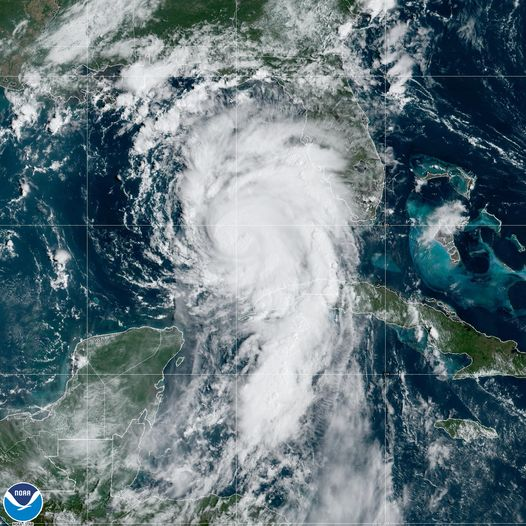
Hurricane Idalia 2023

Florida's hurricane season is from June 1 to November 30. These five months are also the wet season here when we receive up to 70% of our annual rainfall. Our hot wet summers make it difficult to grow some vegetables like sweet basiltomatoes and most members of the squash family, but growing crops is not the topic for this post.

As I'm writing this, Hurricane Idalia is pummeling the west coast of Florida. Florida is subjected to more hurricane activity than other states because the 1,350 mile-long coastline, which is surrounded by warm waters. When sea surface temperatures are above 82˚F, this warm water sustains and intensifies tropical storms that may strengthen into hurricanes. This year the Atlantic Ocean temperatures reached as high as 101˚F just off the east coast of Florida. So it's not surprising that we have been struck by a Category 4 hurricane.

Tuesday, October 4, 2022

Habitat gardening

In natural areas, the soil ecosystem supports the plants,
which support the insects, which in turn support
the birds and other wildlife.

Florida's default landscapes

Most yards in Florida consist of highly maintained monoculture lawns, a few stand-alone trees, and a fringe of foundation plants around the buildings. This is the opposite of habitat gardening because typical Florida lawn care includes regular landscape-wide applications of insecticides, herbicides, fungicides and other poisons. Then since these pesticides are not good for the turfgrass, synthetic fertilizer is applied to keep it green.

This treatment damages the soil ecosystem (shown in the poster here), which plays an important role in keeping the plants healthy, which then support the insects and the birds. In addition, much of the lawn chemicals have rinsed through the soil or have been carried away with erosion to pollute our waterways causing too much algae growth and toxic dead zones.