Showing posts with label rain gardens. Show all posts

Thursday, May 1, 2025

Sweetbay magnolia, a lovely tree with highly scented flowers

The beautiful sweetbay magnolia flower
is pollinated by beetles.

The sweetbay magnolia (Magnolia virginiana) is lovely, mostly evergreen medium-sized tree with leaves that are dark green on top with silver undersides. It has beautiful, fragrant flowers and bright red fruits. It is tolerant of flooding, even with brackish water. It grows best in acid soil in full sun or partial shade.

It provides excellent habitat for wildlife. While it's pollinated by beetles, a wide variety of birds and other wildlife consume the fruits, plus it's the larval food source for several butterflies including the Spicebush Swallowtail (Papilio troilus) and the Eastern Tiger Swallowtail (Papilo glaucus). It should be planted much more often.

Friday, April 4, 2025

Rain gardens in Florida

Stormwater carries pollutants that
end up in our waterways.

Why do we need rain gardens?

Sequestering stormwater reduces pollution of our waterways and of our aquifers. This is because stormwater runoff carries: fertilizers, sediments, plant matter, manures, pesticides, herbicides, salts, oils and other vehicular drippage. 

Pollution that originates from numerous, diffuse sources, such as our yards is called Non-Point-Source (NPS) and the Environmental Protection Agency (EPA) estimates that NPS pollution is the largest threat to our waterways. But, we can reduce NPS pollution from our yards and from our communities by holding or sequestering more rainwater by installing rain barrels and by building rain gardens.

Monday, March 3, 2025

Miami's Underline Park

The Underline is an impressive
& well-used urban park located
under the Metro Rail in Miami.

Taking its inspiration from the High Line Park in New York City and The Lurie Garden in Chicago, The Friends of The Underline non-profit organization formed in 2013. The Underline is basically a multi-use path with parks, recreational spaces, playgrounds, plantings, and stormwater infrastructure. It's expected to extend to its full 10-mile distance by 2026.

These gardens feature untrimmed native plants that attract and feed insects and birds. This is different than traditional formal gardens where everything is tightly trimmed and exotic plants are chosen for their beauty and because they are not favored by the local insects. This style is left over from British and European upper class expectations where those who owned grand houses and estates favored those highly maintained gardens to show how wealthy they were.

Friday, September 1, 2023

Hurricane-scaping in Florida

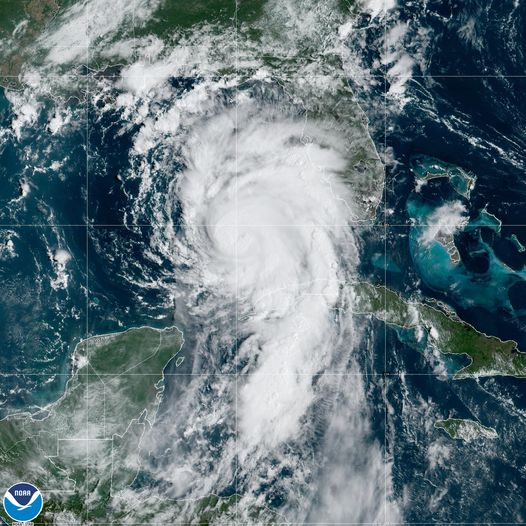
Hurricane Idalia 2023

Florida's hurricane season is from June 1 to November 30. These five months are also the wet season here when we receive up to 70% of our annual rainfall. Our hot wet summers make it difficult to grow some vegetables like sweet basil, tomatoes and most members of the squash family, but growing crops is not the topic for this post.

As I'm writing this, Hurricane Idalia is pummeling the west coast of Florida. Florida is subjected to more hurricane activity than other states because the 1,350 mile-long coastline, which is surrounded by warm waters. When sea surface temperatures are above 82˚F, this warm water sustains and intensifies tropical storms that may strengthen into hurricanes. This year the Atlantic Ocean temperatures reached as high as 101˚F just off the east coast of Florida. So it's not surprising that we have been struck by a Category 4 hurricane.

Tuesday, March 1, 2022

Red maples in Florida

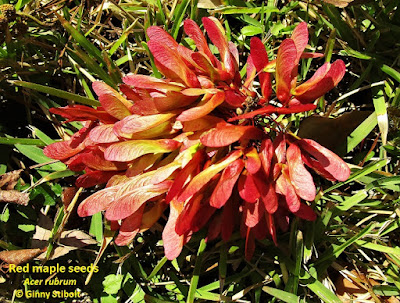
A large clump of maple seeds. It readily reseeds.

Red maples are versatile trees

The red maple (Acer rubrum) is native to most of Florida and its range also includes almost all of eastern North America including Canada. According to the U.S. Forest Service, it's one of the most abundant trees in this range, because it grows well in a wide variety of habitats and because it's easy to grow and has reliable fall color even in Florida, it is widely planted. It will grow in both wet and dry soil, but in the southern part of Florida it's mostly found in wet soils. While it prefers some acidity, it tolerates a variety of soil types.

Sunday, December 15, 2019

Reworking a downspout after drainpipe clog

In 2005, I lined the gully from the outflow
 pipe with rocks to stop the erosion. 

Handling stormwater

When we moved into tour house in 2004, the downspout off our back porch was attached to a flexible 20-foot long drainpipe that had been buried. The stormwater was released onto a slope in the woods. This house was about 2 years old when we moved in and during that time, the stormwater had caused significant erosion in the woods.

Since this wooded area is a shallow ravine which serves to drain our front pond back into the lake. Eroded soil washing into this ravine could be carried into the lake during heavy storms, so I wanted to reduce the erosion.

My solution was to fill in the large hole right under the pipe and to line the gully with rocks. I wrote about this project in my first rain garden article: Rain lilies for my rain gardens.